






The devaluation of the naira will put pressure on the assets of lenders struggling to raise asset quality to the regulatory threshold, according to Moody’s Investors Service.

Reuters reported that an analyst at Moody’s Investors Service, Peter Mushangwe said this in an email response to questions on Monday.
It stated that, “Africa’s largest oil producer on March 20 devalued by four per cent the local unit versus the dollar, a move that will cause concern for Nigerian banks’ credit book and capital metrics as they have a high proportion of foreign-currency denominated loans.”
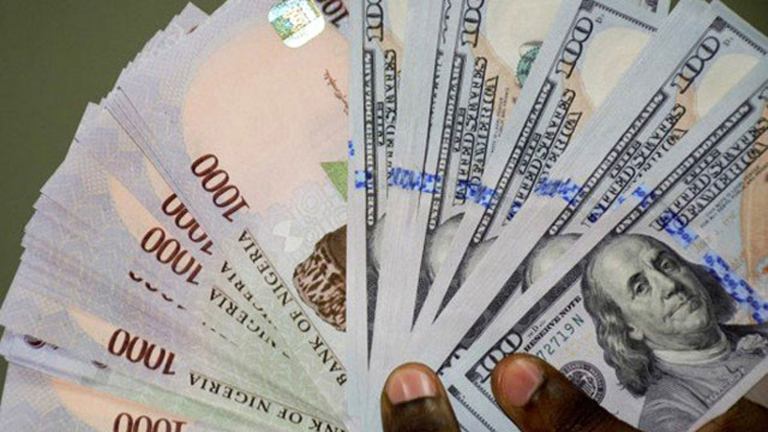
The Central Bank of Nigeria technically devalued the naira to exchange to the dollar at N380.
The apex bank took this decision after all interventions in the market did not sustain the exchange rate of N360.
As a result of the COVID-19, the crude oil price which fell drastically in the international market and raised speculations among the Bureau De Change operators and Nigerians in general, led to the dollar being sold above the official rate.
In a circular to the operators in the sector, the CBN merged the BDCs and Import & Export window to N380.
Mushangwe added, “Foreign-currency borrowers who do not earn foreign currency will require higher naira cashflows to meet their obligations, diminishing their repayment capacity.”
He noted that the banking industry’s non-performing loans as percentage of total credit dropped to 9.3 per cent as of mid-2019 from 12.5 per cent a year earlier.
The regulator wanted it below five per cent, he added.
Mushangwe said, “A weaker naira also increases Nigerian banks’ risk weighted assets related to their foreign currency loans, putting negative pressure on their capital metrics.
“However, the banks hold good capital buffers.”